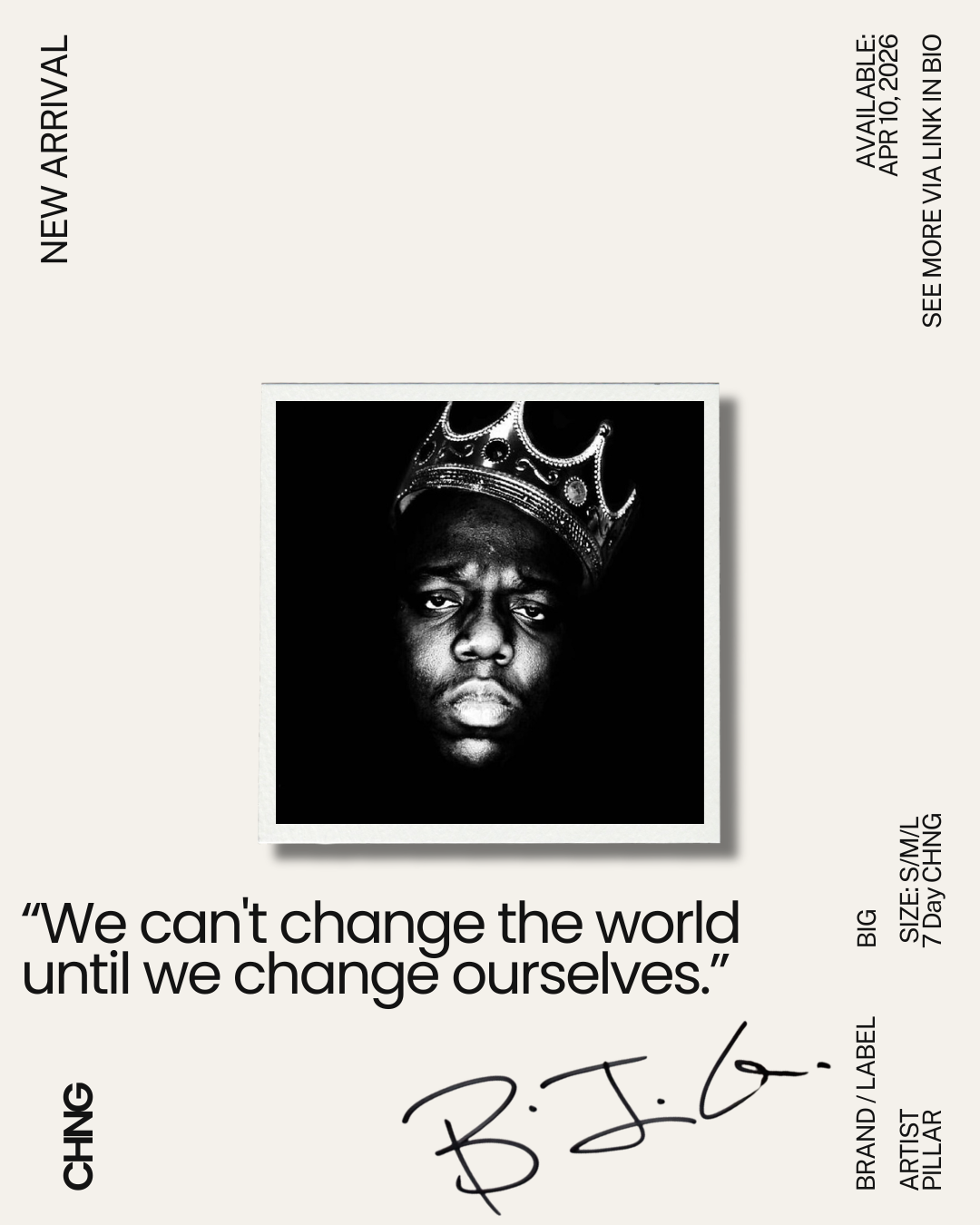
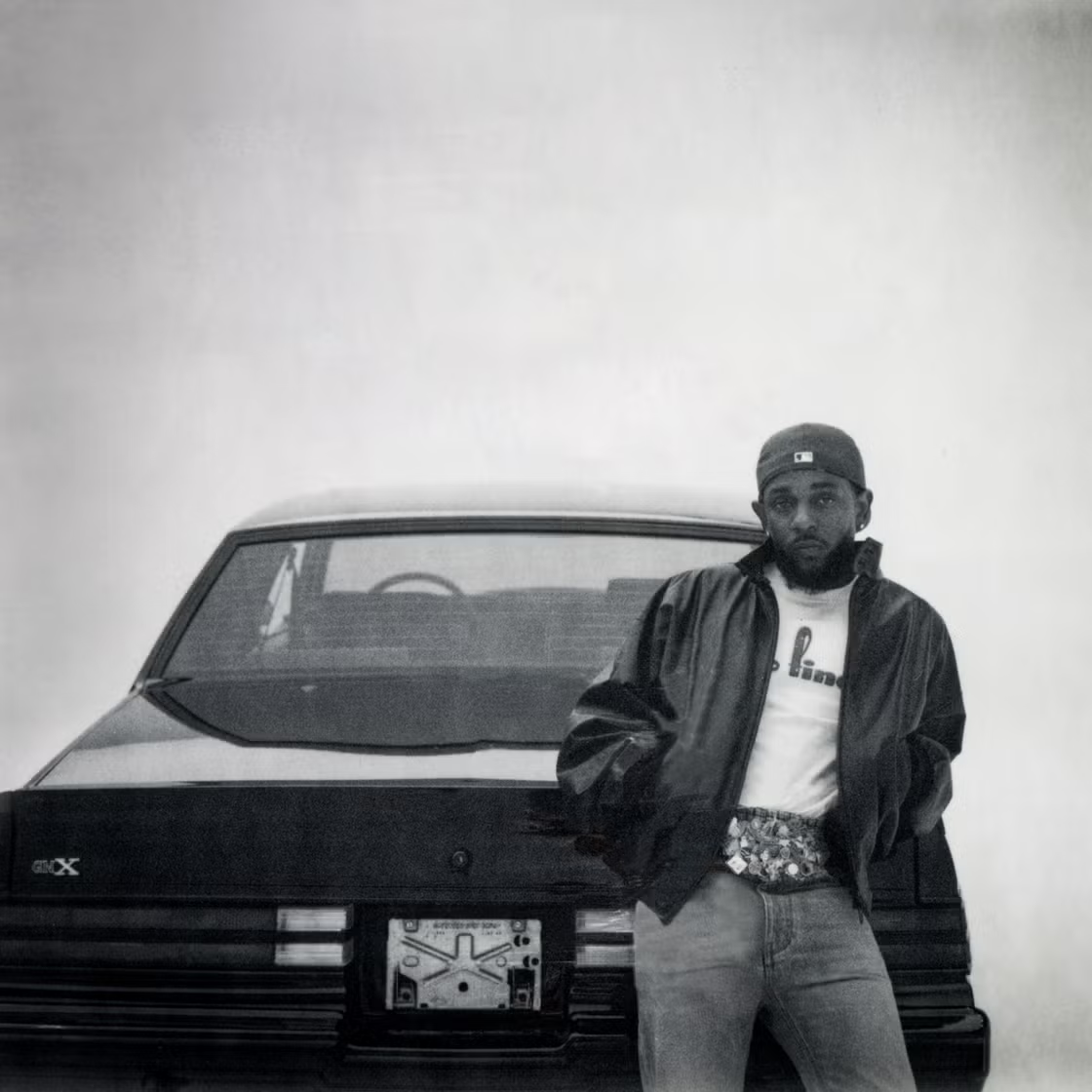
CHNG.LIFE
Escape survival & grow rich.
Step 1. Take the test
Step 2. Find out your Strengths
The Artist.
Artists have a strong internal compass for being original. You see what others miss, you feel the gap between what exists now and what could exist; and you get energy from making something that didn’t exist before.
That drive is rare. The problem is not your creativity.
The problem is the gap between the value you generate and the money that actually lands in your account.
The artists primary tension is creating high value while under-capitalising it.
Most Artists with money run a quiet, repeating pattern:
– You wing it and figure out the rest along the way(or never fully).
– You undervalue the “boring” work because it feels boring
– You’re guided by energy or how you feel which can be volatile – big creative spikes followed by stretches of low or inconsistent income.
– You can feel resentment when you see less creative people earning more or having more impact than you.
When money gets tight, your first instinct is usually to make something new rather than to extract more value from what already exists.
Creative energy is expansive and non-linear. Money, at least in its current form, responds better to clarity, repetition, and systems. The friction between those two worlds is where most Artists stay stuck longer than necessary.
The Hidden Cost
Left unaddressed, this pattern has a real price.
You stay underpaid relative to the quality of what you produce. You burn creative energy on work that never gets properly monetized. You start to associate money with compromise or “selling out,” which makes you resist the exact actions that would free you. Over time the gap between your internal standard and your external results can turn into quiet self-doubt or quiet bitterness—even when the work itself is strong.
Hill would call this a lack of definite purpose applied to the commercial side of your gift. Housel would point out that your behavior around money is still driven more by identity (“I am a creator”) than by the outcomes you say you want. Wattles would say you are still operating partly in the competitive mind instead of fully in the creative mind when it comes to exchange. Jung would note that the Artist often projects the “sell-out” shadow onto the marketplace and then avoids integrating it.
None of that is destiny. It is just the current operating system.
Your Highest-Leverage Move Right Now
Treat packaging, positioning, and distribution as part of the creative act—not as a separate, lesser activity that comes after.
The market does not pay for pure potential. It pays for the finished, findable, clearly valued version of what you make. The Artists who eventually win financially are the ones who stop treating the commercial layer as contamination and start treating it as another medium. Same standards. Same originality. Different output.
Concretely that looks like:
Pricing for the value delivered, not for what feels “safe” or “reasonable.”
Building simple, repeatable offers around your best work instead of constantly inventing new ones.
Making the path from “I made this” to “someone paid for this” as short and clean as possible.
Measuring progress by cash collected and assets built, not only by creative output or external praise.
This is not about becoming less of an Artist. It is about becoming an Artist who owns the full cycle.
Next Step
Most people with your exact pattern need a focused 21-day protocol that attacks the specific blind spots above—value capture, packaging, and turning creative spikes into consistent cash flow—without killing the originality that makes the work good in the first place.
Enter your email below and I’ll send you the first module plus the full Artist breakdown (including the common traps, the counter-moves, and the exact sequences that tend to work for this orientation).
The recognition you just felt is useful. The next layer is what turns it into money.
The Athlete.
You’re Operating as The Artist with Money
Your primary tension is creating high value while under-capitalising it.
You have a strong internal compass for being original. You see what others miss, you feel the gap between what exists now and what could exist; and you get energy from making something that didn’t exist before.
That drive is real and rare. The problem is not your creativity. The problem is the gap between the value you generate and the money that actually lands in your account.
Most Artists with money run a quiet, repeating pattern:
– You wing it and figure out the rest along the way(or never fully).
– You undervalue the “boring” work because it feels boring
– You’re guided by energy or how you feel which can be volatile – big creative spikes followed by stretches of low or inconsistent income.
– You can feel resentment when you see less creative people earning more or having more impact than you.
When money gets tight, your first instinct is usually to make something new rather than to extract more value from what already exists.
Creative energy is expansive and non-linear. Money, at least in its current form, responds better to clarity, repetition, and systems. The friction between those two worlds is where most Artists stay stuck longer than necessary.
The Hidden Cost
Left unaddressed, this pattern has a real price.
You stay underpaid relative to the quality of what you produce. You burn creative energy on work that never gets properly monetized. You start to associate money with compromise or “selling out,” which makes you resist the exact actions that would free you. Over time the gap between your internal standard and your external results can turn into quiet self-doubt or quiet bitterness—even when the work itself is strong.
Hill would call this a lack of definite purpose applied to the commercial side of your gift. Housel would point out that your behavior around money is still driven more by identity (“I am a creator”) than by the outcomes you say you want. Wattles would say you are still operating partly in the competitive mind instead of fully in the creative mind when it comes to exchange. Jung would note that the Artist often projects the “sell-out” shadow onto the marketplace and then avoids integrating it.
None of that is destiny. It is just the current operating system.
Your Highest-Leverage Move Right Now
Treat packaging, positioning, and distribution as part of the creative act—not as a separate, lesser activity that comes after.
The market does not pay for pure potential. It pays for the finished, findable, clearly valued version of what you make. The Artists who eventually win financially are the ones who stop treating the commercial layer as contamination and start treating it as another medium. Same standards. Same originality. Different output.
Concretely that looks like:
Pricing for the value delivered, not for what feels “safe” or “reasonable.”
Building simple, repeatable offers around your best work instead of constantly inventing new ones.
Making the path from “I made this” to “someone paid for this” as short and clean as possible.
Measuring progress by cash collected and assets built, not only by creative output or external praise.
This is not about becoming less of an Artist. It is about becoming an Artist who owns the full cycle.
Next Step
Most people with your exact pattern need a focused 21-day protocol that attacks the specific blind spots above—value capture, packaging, and turning creative spikes into consistent cash flow—without killing the originality that makes the work good in the first place.
Enter your email below and I’ll send you the first module plus the full Artist breakdown (including the common traps, the counter-moves, and the exact sequences that tend to work for this orientation).
The recognition you just felt is useful. The next layer is what turns it into money.
The Entrepreneur.
You’re Operating as The Artist with Money
Your primary tension is creating high value while under-capitalising it.
You have a strong internal compass for being original. You see what others miss, you feel the gap between what exists now and what could exist; and you get energy from making something that didn’t exist before.
That drive is real and rare. The problem is not your creativity. The problem is the gap between the value you generate and the money that actually lands in your account.
Most Artists with money run a quiet, repeating pattern:
– You wing it and figure out the rest along the way(or never fully).
– You undervalue the “boring” work because it feels boring
– You’re guided by energy or how you feel which can be volatile – big creative spikes followed by stretches of low or inconsistent income.
– You can feel resentment when you see less creative people earning more or having more impact than you.
When money gets tight, your first instinct is usually to make something new rather than to extract more value from what already exists.
Creative energy is expansive and non-linear. Money, at least in its current form, responds better to clarity, repetition, and systems. The friction between those two worlds is where most Artists stay stuck longer than necessary.
The Hidden Cost
Left unaddressed, this pattern has a real price.
You stay underpaid relative to the quality of what you produce. You burn creative energy on work that never gets properly monetized. You start to associate money with compromise or “selling out,” which makes you resist the exact actions that would free you. Over time the gap between your internal standard and your external results can turn into quiet self-doubt or quiet bitterness—even when the work itself is strong.
Hill would call this a lack of definite purpose applied to the commercial side of your gift. Housel would point out that your behavior around money is still driven more by identity (“I am a creator”) than by the outcomes you say you want. Wattles would say you are still operating partly in the competitive mind instead of fully in the creative mind when it comes to exchange. Jung would note that the Artist often projects the “sell-out” shadow onto the marketplace and then avoids integrating it.
None of that is destiny. It is just the current operating system.
Your Highest-Leverage Move Right Now
Treat packaging, positioning, and distribution as part of the creative act—not as a separate, lesser activity that comes after.
The market does not pay for pure potential. It pays for the finished, findable, clearly valued version of what you make. The Artists who eventually win financially are the ones who stop treating the commercial layer as contamination and start treating it as another medium. Same standards. Same originality. Different output.
Concretely that looks like:
Pricing for the value delivered, not for what feels “safe” or “reasonable.”
Building simple, repeatable offers around your best work instead of constantly inventing new ones.
Making the path from “I made this” to “someone paid for this” as short and clean as possible.
Measuring progress by cash collected and assets built, not only by creative output or external praise.
This is not about becoming less of an Artist. It is about becoming an Artist who owns the full cycle.
Next Step
Most people with your exact pattern need a focused 21-day protocol that attacks the specific blind spots above—value capture, packaging, and turning creative spikes into consistent cash flow—without killing the originality that makes the work good in the first place.
Enter your email below and I’ll send you the first module plus the full Artist breakdown (including the common traps, the counter-moves, and the exact sequences that tend to work for this orientation).
The recognition you just felt is useful. The next layer is what turns it into money.
Step 2. Find out your Strengths
The Artist
Strengths fk you cunt
You’re Operating as The Artist with Money
Your primary tension is creating high value while under-capitalising it.
You have a strong internal compass for being original. You see what others miss, you feel the gap between what exists now and what could exist; and you get energy from making something that didn’t exist before.
That drive is real and rare. The problem is not your creativity. The problem is the gap between the value you generate and the money that actually lands in your account.
Most Artists with money run a quiet, repeating pattern:
– You wing it and figure out the rest along the way(or never fully).
– You undervalue the “boring” work because it feels boring
– You’re guided by energy or how you feel which can be volatile – big creative spikes followed by stretches of low or inconsistent income.
– You can feel resentment when you see less creative people earning more or having more impact than you.
When money gets tight, your first instinct is usually to make something new rather than to extract more value from what already exists.
Creative energy is expansive and non-linear. Money, at least in its current form, responds better to clarity, repetition, and systems. The friction between those two worlds is where most Artists stay stuck longer than necessary.
The Hidden Cost
Left unaddressed, this pattern has a real price.
You stay underpaid relative to the quality of what you produce. You burn creative energy on work that never gets properly monetized. You start to associate money with compromise or “selling out,” which makes you resist the exact actions that would free you. Over time the gap between your internal standard and your external results can turn into quiet self-doubt or quiet bitterness—even when the work itself is strong.
Hill would call this a lack of definite purpose applied to the commercial side of your gift. Housel would point out that your behavior around money is still driven more by identity (“I am a creator”) than by the outcomes you say you want. Wattles would say you are still operating partly in the competitive mind instead of fully in the creative mind when it comes to exchange. Jung would note that the Artist often projects the “sell-out” shadow onto the marketplace and then avoids integrating it.
None of that is destiny. It is just the current operating system.
Your Highest-Leverage Move Right Now
Treat packaging, positioning, and distribution as part of the creative act—not as a separate, lesser activity that comes after.
The market does not pay for pure potential. It pays for the finished, findable, clearly valued version of what you make. The Artists who eventually win financially are the ones who stop treating the commercial layer as contamination and start treating it as another medium. Same standards. Same originality. Different output.
Concretely that looks like:
Pricing for the value delivered, not for what feels “safe” or “reasonable.”
Building simple, repeatable offers around your best work instead of constantly inventing new ones.
Making the path from “I made this” to “someone paid for this” as short and clean as possible.
Measuring progress by cash collected and assets built, not only by creative output or external praise.
This is not about becoming less of an Artist. It is about becoming an Artist who owns the full cycle.
Next Step
Most people with your exact pattern need a focused 21-day protocol that attacks the specific blind spots above—value capture, packaging, and turning creative spikes into consistent cash flow—without killing the originality that makes the work good in the first place.
Enter your email below and I’ll send you the first module plus the full Artist breakdown (including the common traps, the counter-moves, and the exact sequences that tend to work for this orientation).
The recognition you just felt is useful. The next layer is what turns it into money.
The Athlete.
Strengths: Weaponise you fkn cunt
– Make a CHNG
You Are Not Alone.
Good people still exist.
– Make a CHNG

Want a Pair of Nike Af1’s on us?
Drop your size below or tap the link to enter
Write a Short Lesson To Your Younger Self & Win Free Nike Air Force 1s
Just write a short, honest message to your younger self. The most powerful entries win a pair of genuine Nike Air Force 1s.
One winner every week for the next month.
How To Enter
1. Write your lesson — A short message or line (max 150 words) to your younger self. Share advice, lessons, encouragement – whatever feels real.
2. Submit in seconds — Use the simple form below.
3. Best lessons win — Judged on originality, insight, impact and writing quality. One winner per week.
4. Claim your fresh pair — We’ll contact you and ship your Nike Air Force 1s.
FREE TO ENTER. No purchase or donation required to win.
Proof good people still exist.
Here are some real examples of powerful lessons. doesn’t have to be perfect, just real.
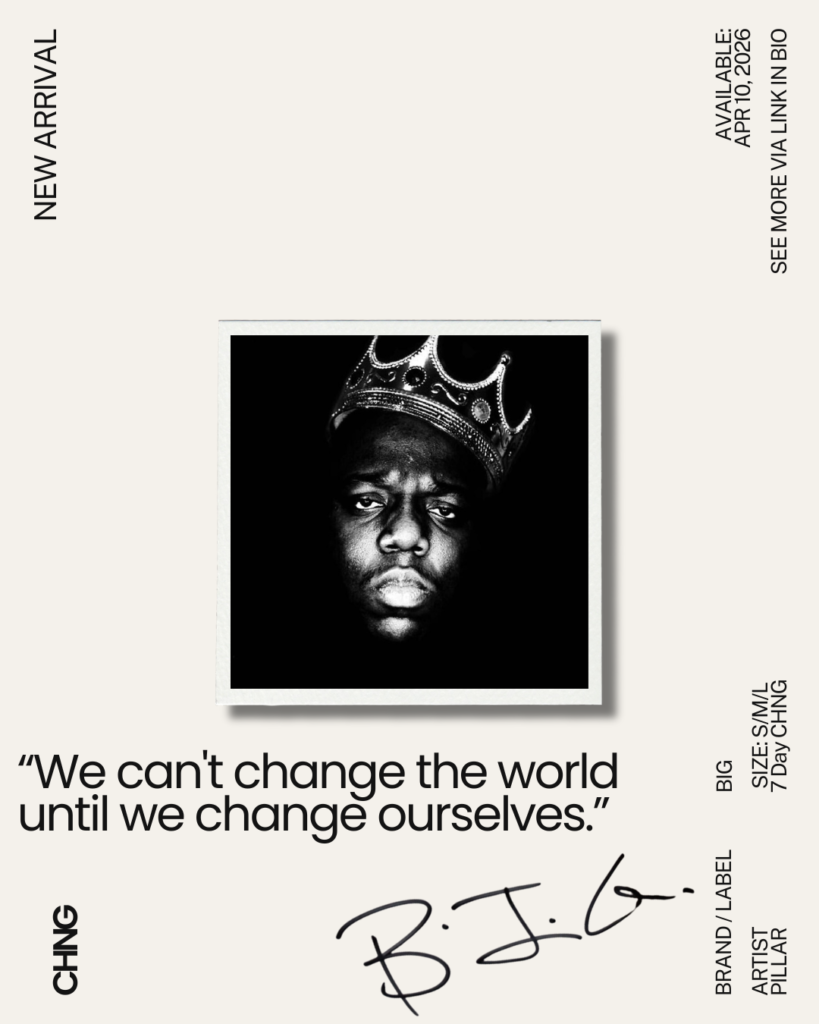
For the Fatherless Son
Keep your fkn head up.

For the Motherless Daughter
You Are Enough.
Message to a Younger Me.
To the Strongest kid with the racing heart…
I’m writing this from the life that you almost depart.
Know, things always get worse before they get better.
Everything you are going through right now – the self doubt, the constant anxiety, the nonstop exhaustion, the constant betrayals, the nonstop misfortune, the endless nights embracing tears, the suffering & pain, facing your fears, the lonely nights and endless dread is all preparing you for the most beautiful life ahead.
Stop beating yourself up.
Forgive them but don’t forget – about you. You’re way more than you think you are.
Life will feel unfair, you’re not built to fit in. So much light lies ahead.
That voice in your head can either kill or it can heal. The choice is yours.
Whatever happens next, whatever path you decide – the only path of regret, is the path of not trying.
I will always be so fkn proud of you.
I trust in your heart.
Question is…
CHNG.
The World is yours.
How does it work:
– Write your line.
– Pay it Forward.
– Make a CHNG
One sentence can be all it takes to save a life
Kendrick Lamar
I’m sensitive, I feel everything, I feel everybody
One man standin’ on two words, heal everybody
Transformation, then reciprocation, karma must return
Heal myself, secrets that I hide, buried in these words.
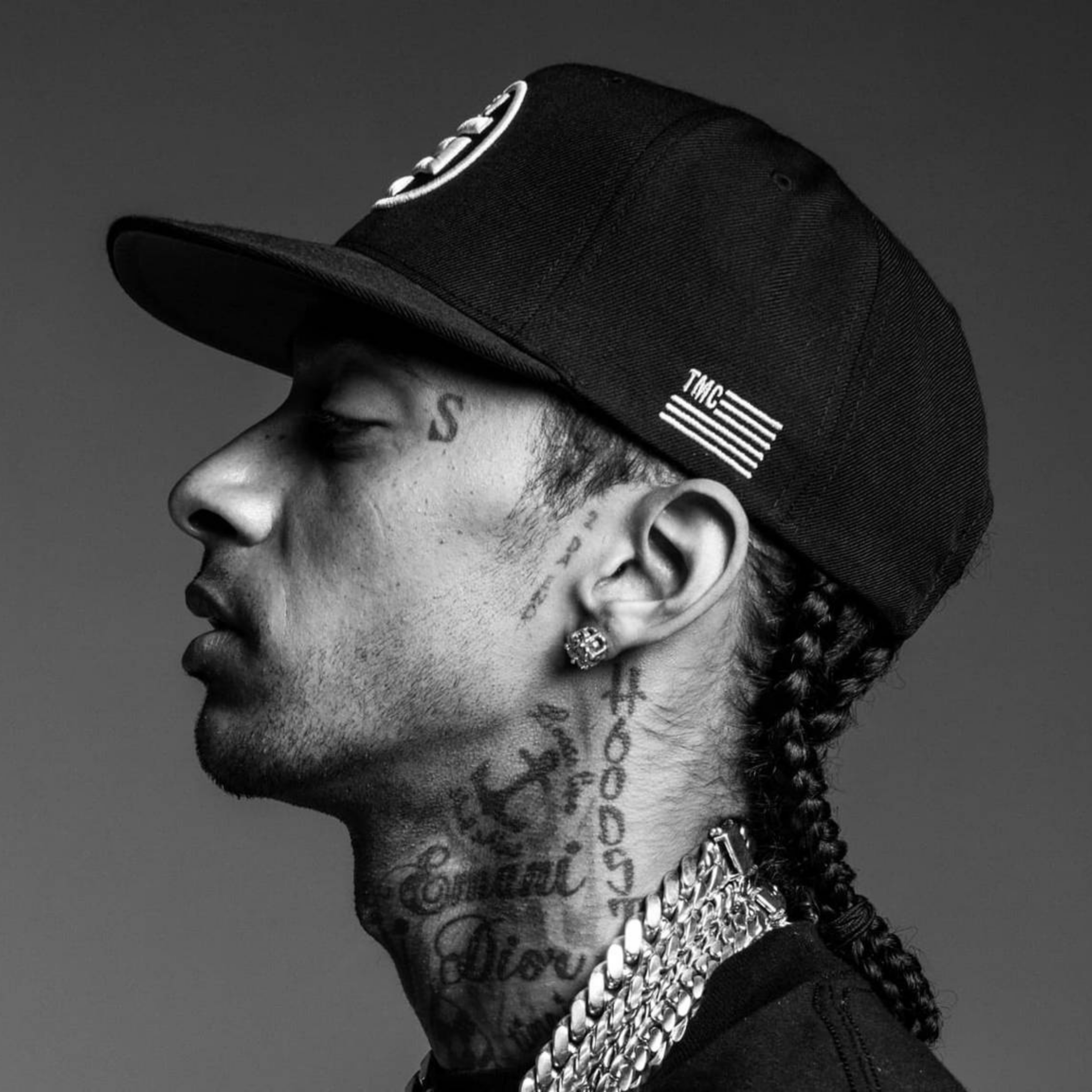
Nipsey Hussle
Heavily pressured and under stressed
Even though niggas ain’t show it, we was a mess.
Been stabbed in my heart so much, I learned to smile while I bleed.
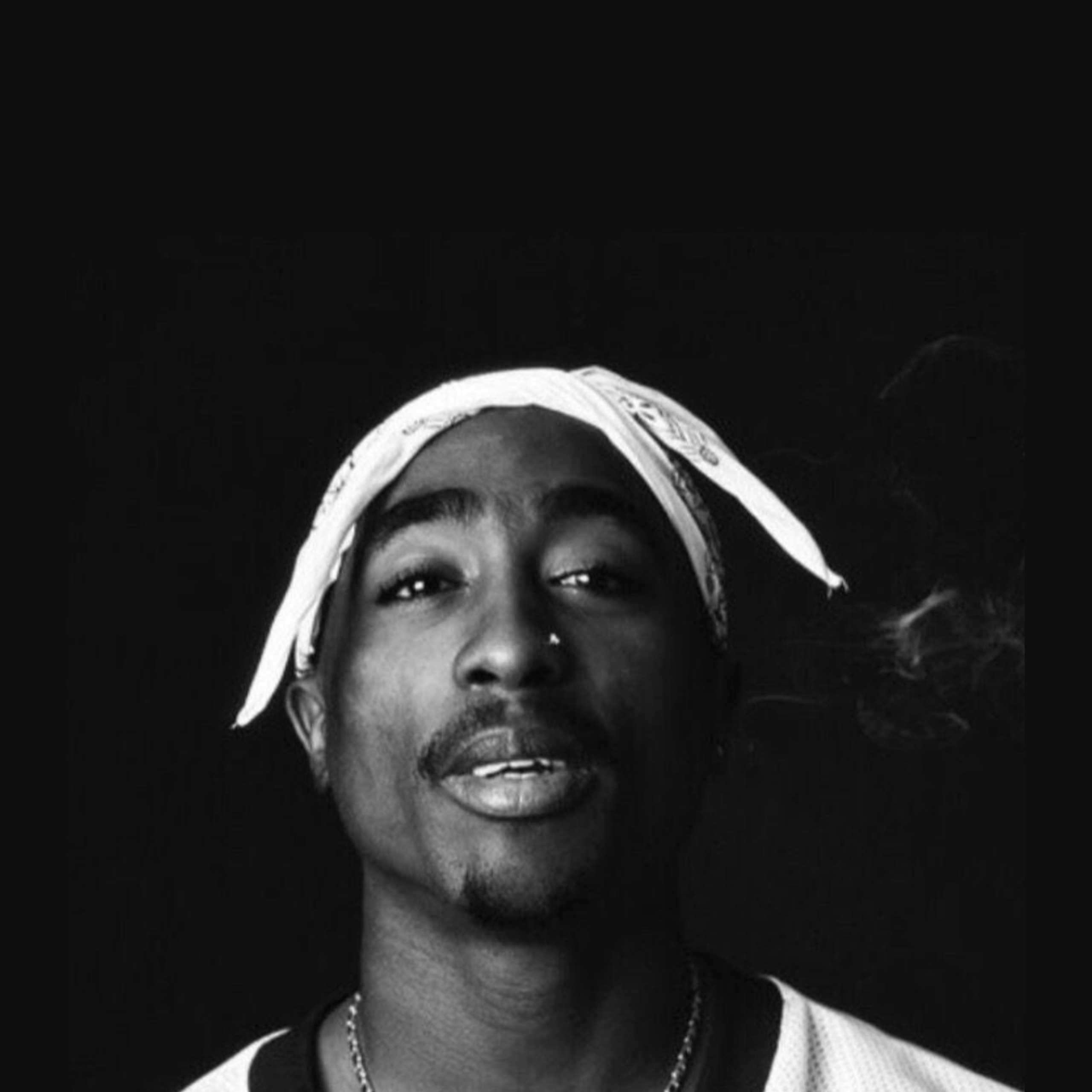
2pac Shakur
Sometimes when I’m alone
I cry because I’m on my own
The tears I cry R bitter and warm
They flow with life but take no form
I cry because my heart is torn
and I find it difficult 2 carry on
If I had an ear 2 confide in
I would cry among my treasured friends
But who do u know that stops that long
to help another carry on
The world moves fast and it would rather pass u by
than 2 stop and c what makes u cry
It’s painful and sad and sometimes I cry
and no one cares about why.
Write Your Line
Pay It Forward
No pressure. Only if it feels right.
You are Not Alone – Reach Out
Stay Anonymous – Here to listen – Your voice matters
Whats CHNG.
A way to let the people know
Someone cares to CHNG your life.